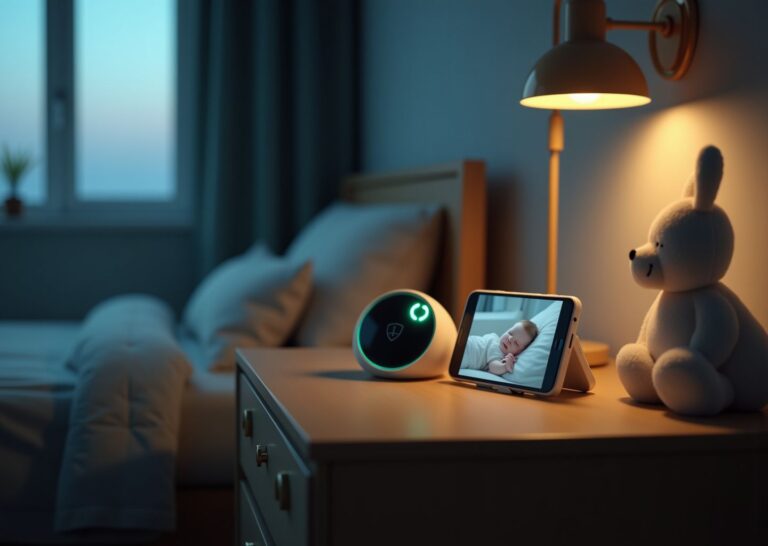
The SNOO Smart Sleeper promises automated rocking and smart white noise to help babies (and parents) sleep better — but it carries a premium price tag near $1,700. This review-led article breaks down how the SNOO works, safety and science, setup and usability, cost justification, real-world pros and cons, and practical alternatives so you can decide if it’s a smart investment.
What the SNOO Is and How Its Technology Works
The SNOO Smart Sleeper operates as a responsive infant care system rather than a traditional piece of furniture. It uses three integrated microphones to monitor for infant distress. When the system detects crying, it triggers a specific sequence of motion with sound. This is not a simple rocking motion. The technology uses a side-to-side movement that the manufacturer describes as a jiggle. This motion is designed to mimic the rhythmic sensations an infant experiences inside the womb.
The hardware is substantial. It measures 35.75 inches in length plus 19 inches in width. With the legs attached, it stands 31 inches high. The unit weighs 38 pounds. This weight comes from the internal motor with the sturdy frame required to handle the constant motion. Inside the bassinet, you find an 18 mm thick polyurethane foam mattress. This mattress is thin compared to standard crib mattresses, but it meets safety standards for a firm sleep surface. The unit requires a constant connection to a power outlet. There is no internal battery for the motion or sound features. A power cord guide is included to keep the cable secured against the leg of the bassinet.
Safety is built into the physical design through the swaddle attachment. The SNOO Smart Sleeper Bassinet – Happiest Baby uses a specific Sleep Sack with fabric wings. These wings have loops that must slide onto plastic clips on the sides of the bassinet platform. The motor will not start unless these clips are engaged. This mechanism ensures the baby stays in a supine position. It prevents the infant from rolling onto their stomach during the night. The swaddles come in three sizes: Small (5 to 12 pounds), Medium (12 to 18 pounds), and Large (18 to 25 pounds).
The responsiveness system operates on five distinct levels. The baseline level provides a slow rock with low volume white noise. If the baby continues to cry, the SNOO escalates through four additional levels. Each level increases the speed of the motion with the volume of the sound. The white noise ranges from a soft rumble to a louder high-pitched sound. While the manufacturer does not list exact decibel levels, users often compare the highest level to the volume of a loud shower (approximately 65 to 75 decibels). If the baby cries for more than a few minutes without being soothed, the system shuts down. It sends an alert to the parent app to indicate the baby needs physical attention.
The SNOO app acts as the command center. You can use it to set the baseline motion, lock the device at a specific level, and view sleep logs that show when the baby was asleep or when the SNOO was active. You can also toggle the weaning mode. This mode stops the motion at the baseline level but keeps the white noise running, helping older babies get used to a still mattress before they move to a crib. Recent firmware updates have improved the algorithm to better ignore background noises like air conditioners or loud pets, reducing false triggers from household sounds.
For a 6-week-old infant, the SNOO often reacts to the start of a wake cycle by quickly moving to level one or two. This often settles the baby back into sleep before they fully wake up. A 3-month-old baby might be more active. At this age, parents often use the app to limit the motion escalation or start using the weaning mode to prevent the baby from becoming too dependent on the motion for sleep.
Passive bassinets provide a safe place to sleep but do not help with soothing. Non-reactive sleepers might have a vibration setting, but they cannot change their behavior based on the baby. The SNOO is an active participant in the sleep environment. It attempts to intervene before the parent needs to get out of bed.
| Feature | Specification |
|---|---|
| Dimensions | 35.75 L x 19 W x 31 H inches |
| Weight | 38 lbs |
| Mattress | 18 mm PU foam |
| Age Limit | 0 to 6 months |
| Weight Limit | Up to 25 lbs (swaddle limit) |
| Power Source | Mains power wall outlet |
| Response Speed | Under 10 seconds |
| Safety Timeout | Approx. 2 to 3 minutes of crying |
The mesh walls are designed for maximum airflow. This is a critical safety feature for any sleep environment. Current firmware includes a car ride mode. This mode provides a different vibration pattern for babies who only sleep in moving vehicles. The app allows parents to customize the volume of the white noise. It does not allow for remote control of the clips. The clips must be manually engaged for the system to function. This ensures a caregiver is physically present to secure the infant.
Setting Up and Daily Use Experience
The physical experience of the SNOO begins with a heavy delivery. The box weighs 50 pounds. You will likely need a second person to help move it into the nursery or bedroom. Once opened, the assembly is surprisingly simple. You only need to snap the four legs into the base and plug in the power cord. A plastic cable guide is included to keep the cord flat against the floor. This prevents tripping hazards. Most parents can complete the physical setup in 15 to 30 minutes. The instructions are printed clearly and do not require extra tools. After the legs are secure, you place the mattress inside. It comes with a water-resistant cover and a fitted organic cotton sheet.
App Pairing and Interface
Connecting the bassinet to your home Wi-Fi happens through the Happiest Baby app. This step is necessary to access sleep logs and weaning modes. The pairing process is usually quick. You scan a code or follow the on-screen prompts. The app acts as a remote control. You can change the motion levels or adjust the volume of the white noise from your own bed. There is also a single manual button on the front of the unit. This button allows you to start or stop the motion without picking up your phone. It glows with different colors to indicate the current level of soothing. Blue means the baseline level. Green or purple indicates higher levels of response.
The Swaddle System
The SNOO Sleep Sack is the most important part of the daily routine. It is made of organic cotton with 5 percent elastane for stretch. The design features wings with loops that must slide onto the safety clips on the sides of the bassinet. The device will not start the motion unless these wings are clipped in. This ensures the baby stays on their back all night. The swaddle uses inner bands to keep the baby’s arms at their sides. It feels very secure. Swapping sizes is easy as the baby grows. The fabric is breathable but sturdy enough to withstand daily use.
Nighttime Performance and Response
The internal sensors are tuned to hear a baby’s cry. When the baby fusses, the SNOO responds within seconds. It moves through four levels of escalation. It starts with a gentle side-to-side rock and moves to a faster jiggle. The white noise volume increases with the motion. If the baby continues to cry for more than a couple of minutes at the highest level, the system shuts down. It sends an alert to your phone. This safety feature ensures you attend to the baby if they are hungry or need a diaper change. False positives can happen if the room is very noisy. A loud cough or a nearby television might trigger the motion. You can adjust the sensitivity in the app to prevent this.
Daily Maintenance and Friction Points
The SNOO is not a portable device. Moving it between rooms is difficult because of the weight and the wide leg span. It is best to keep it in one spot. The motor produces a low hum. Most parents find this helpful for sleep, but it might be noticeable in a very quiet room. Cleaning is straightforward. The mattress cover is water-resistant. You can wipe it down after leaks. The organic cotton sheets and the SNOO Sleep Sack are machine washable. You should air dry the swaddles to keep the velcro from wearing out too quickly. Traveling with the unit is a challenge. It does not fold down. You would need a large trunk and the original box to transport it safely.
Practical Tips for Success
Use the weaning mode starting at four or five months. This stops the constant motion but keeps the white noise. It helps the baby get used to a still mattress before moving to a crib. Always keep the room as quiet as possible to reduce false triggers. If the baby is calm but awake, you can use the app to lock the SNOO at level one. This provides a consistent rhythm that prevents them from becoming fully alert. These small adjustments help reduce parent anxiety about relying on the technology.
Safety Evidence and Pediatric Guidance
The SNOO is built around a specific safety promise. Happiest Baby designed the bassinet to keep infants on their backs all night. This is done through the SNOO Sleep Sack. The sack has wings that slide onto safety clips on the sides of the bassinet. According to manufacturer documentation, this physical attachment prevents the baby from rolling onto their stomach. This is the core of their safety marketing. It directly addresses the American Academy of Pediatrics (AAP) recommendation for supine sleep to reduce the risk of SIDS.
AAP Alignment and Safe Sleep Standards
The AAP safe sleep guidelines are very specific. They require a firm and flat sleep surface. They require a clear sleep area with no loose blankets or pillows. The SNOO mattress is 18 millimeters thick. It is made of polyurethane foam. This is much thinner than a standard crib mattress. Manufacturer specifications show the surface is flat and firm. The mesh walls on all sides allow for airflow. These features align with the AAP goal of room sharing without bed sharing. The design ensures the baby stays in the center of the bassinet. This prevents them from getting trapped against the sides.
In early 2023, the FDA granted De Novo authorization to the SNOO. This means the agency reviewed it as a medical device. The authorization specifically covers the bassinet and swaddle as a system to keep babies on their backs. It is important to note that this is a manufacturer-led regulatory milestone. You can find the details on the official SNOO FDA De Novo Authorized page. Independent pediatricians often point out that while the SNOO helps with back sleeping, it does not replace the need for a safe environment. The authorization is for the prevention of rolling. It is not a general health guarantee.
There are strict limits on when to stop using the device. Happiest Baby states the SNOO is for infants from birth until six months. The cutoff also applies if the baby can roll over consistently. These limits matter for biomechanical reasons. Once a baby can roll, they need the freedom to move. Keeping a mobile infant strapped down can interfere with their development. It might create a safety risk if they try to roll while attached to the clips. The motor also has built-in motion limits. These limits prevent the device from moving too fast for a small infant.
Independent consumer safety testing has generally been positive regarding the physical build of the SNOO. There have been no major safety recalls for the SNOO through late 2024. Some independent pediatric surveys suggest that the constant motion might lead to a dependency. Parents might find it harder to transition the baby to a stationary crib later. Clinical guidance usually suggests using the weaning mode in the app. This mode stops the motion. It keeps the white noise active. This helps the baby learn to sleep on a still surface.
Pediatric Guidance and Precautions
Parents should combine SNOO use with regular pediatric checkups. Doctors can monitor for signs of flat head syndrome. This can sometimes happen if a baby stays in one position for too long. While the SNOO keeps the baby safe on their back, parents still need to ensure plenty of supervised tummy time during the day. This builds neck and shoulder strength. If a baby reaches the weight limit or starts pushing up on hands and knees, it is time to stop using the SNOO. This is true even if they are not yet six months old. Safety experts recommend moving to a standard crib at this point.
Independent reviewers often mention the power cord as a potential hazard. The SNOO comes with a cable guide to keep the cord tucked away. It is vital to use this guide. A loose cord near a bassinet is a strangulation risk. This is a standard precaution for any powered nursery gear. The SNOO is a tool to help with safe sleep. It is not a substitute for parental supervision. The app will alert you if the baby continues to cry after the motion escalates. This is a safety feature designed to tell you when the baby needs a diaper change. It tells you when they need a feeding. It ensures the technology does not ignore the baby’s actual needs. Always ensure the swaddle is zipped fully. The neck area must be clear. Following these manufacturer instructions is the only way to maintain the safety benefits.
Does SNOO Improve Infant Sleep Outcomes Evidence and User Reports
The core promise of the SNOO is more sleep for everyone in the house. Happiest Baby claims that their technology adds one to two hours of total sleep time per night for infants. Their marketing materials state that the device often calms a crying baby in under a minute by using a specific combination of white noise and motion. These claims are based on the concept of the calming reflex which suggests that certain rhythmic sensations can trigger a soothing response in newborns. While these numbers are impressive, they represent the manufacturer perspective and should be weighed against independent reports and real world usage.
Manufacturer Claims vs Independent Evidence
Happiest Baby markets the SNOO as a tool that sleep trains babies with minimal crying. They highlight that the responsive algorithm waits a few seconds before escalating to allow for self soothing. If the baby continues to fuss, the bassinet moves through five levels of sound and motion to settle them. Independent reviews from outlets like The Bump provide a more nuanced view. Testers often report that while the SNOO does help extend sleep stretches, the results vary significantly depending on the temperament of the child. Some parents see an immediate jump from two hour stretches to four or five hours. Others find that the motion only works for a short period before the baby wakes up again. There is currently a lack of large scale peer reviewed clinical studies that prove the SNOO creates a permanent increase in infant sleep duration across all populations. Most evidence remains anecdotal or comes from internal manufacturer data.
Who Benefits Most from the Technology
The effectiveness of the SNOO often depends on the specific needs of the infant. Babies who are highly sensitive to motion or those who struggle with colic tend to see the most significant improvements. The side to side rocking motion mimics the sensation of being held or rocked by a caregiver which can be a lifesaver for parents of fussy infants. Early sleepers who already have a natural rhythm often adapt to the SNOO quickly and show longer stretches of deep sleep. However, the value is often limited for certain groups. Older infants who are already four or five months old may not benefit as much because they are nearing the developmental milestone of rolling over. Babies who have a strong preference for direct physical contact with a parent might also resist the mechanical motion of the bassinet. Additionally, infants who are naturally strong self soothers may find the automated responses distracting rather than helpful.
Addressing Dependency and the Weaning Process
A major concern for many parents is whether the baby will become a motion junkie who cannot sleep without the bassinet. Some user reports mention a difficult transition period when moving from the SNOO to a stationary crib. To address this, the device includes a weaning mode in the app settings. This mode allows the bassinet to respond to crying with sound and motion but keeps the baseline state still. This helps the baby get used to sleeping without constant movement while still providing a safety net if they wake up upset. Most parents find that starting the weaning process about a month before the planned transition helps reduce dependency issues. The goal is to gradually lower the level of intervention so the baby learns to connect sleep cycles independently.
Measuring Success and Realistic Timelines
Parents should not expect a miracle on the first night. It often takes seven to ten days for an infant to fully adjust to the sounds and movements of the SNOO. To decide if the investment is working, it is helpful to track specific metrics over a two week period. Parents can record the number of night awakenings and the length of the longest sleep stretch. A meaningful improvement is generally considered to be an extra hour of total sleep or a reduction in the time it takes to settle the baby after a feeding. If there is no change in these numbers after two weeks of consistent use, the baby might simply not be a good candidate for motion based soothing. Realistic progress often looks like a gradual increase in sleep stretches rather than a sudden jump to sleeping through the night.
Impact on Parental Sleep Quality
The benefit to parents is often more about the ease of settling than just the total hours of sleep. Because the SNOO Smart Sleeper Bassinet – Happiest Baby handles the initial fussing, parents may avoid getting out of bed for minor stirrings. This can lead to better sleep quality for caregivers even if the baby still wakes up for feedings. The app provides daily sleep logs that show when the baby was restless and how the SNOO responded. These reports help parents understand sleep patterns and adjust their routines. While the technology is a powerful tool for many, it remains a supplement to responsive parenting rather than a total replacement for it. Understanding these patterns is the first step in deciding if the high cost aligns with the actual sleep outcomes in your home.
Price Value Analysis Rent Buy and Alternatives
The retail price for the SNOO Smart Sleeper Bassinet typically sits around $1,695. This price usually includes a starter kit with three sleep sacks and one organic cotton sheet. You might find seasonal sales that drop the price by twenty percent during major holidays. But the sticker price is just the starting point for most families.
Hidden Costs and Necessary Extras
Most parents find that the three included sleep sacks are not enough for daily life. You will likely need at least two extra sacks in each size to handle middle of the night diaper leaks. Each additional SNOO Sleep Sack costs about $35. Extra organic cotton sheets run about $20 each. While shipping is often free for the initial purchase, you should check the terms for the thirty day trial. Some regions require a restocking fee or return shipping costs if the unit does not work out for your baby. You might also consider an extended warranty if you plan to use the unit for multiple children. These protection plans can add another $150 to $200 to your total investment.
The Economics of Renting
Renting is a common choice for parents who only want the bassinet for one child. The official rental program from Happiest Baby typically costs about $159 per month. There is often a non refundable cleaning and reconditioning fee of around $99. Third party rental programs might offer lower weekly rates between $40 and $80. If you use the SNOO for the full six months, a rental could cost you over $1,000. This is a significant amount of money for a product you do not own at the end of the term. Renting makes sense if you have limited storage space or if you are uncertain about how your baby will react to the motion.
| Ownership Model | Initial Cost | Monthly Cost (6 Mo) | Net Cost After Resale |
|---|---|---|---|
| Buying New | $1,695 | $282 | $845 |
| Official Rental | $99 fee | $159 | $1,053 |
| Used Purchase | $850 | $141 | $150 |
Resale Value and Market Trends
The resale market for this bassinet is very strong. On platforms like Facebook Marketplace or specialized baby gear sites, a used SNOO in good condition often sells for $700 to $900. This high resale value changes the math for many buyers. If you buy the unit for $1,695 and sell it for $850 after six months, your net cost is $845. This is actually cheaper than renting for the same period. To maximize your resale value, you should keep the original box. It makes transport much easier for the next buyer. You should also keep all manuals and wash the mesh walls carefully according to the manufacturer instructions.
Comparing Mid Range and Budget Alternatives
There are several alternatives if the $1,700 price tag is too high. The 4moms mamaRoo Sleep Bassinet costs about $450. It offers five different motions but it does not respond to baby cries automatically. The Halo BassiNest is around $250. It features a swivel design and vibration but lacks smart sensors. The Nuna SENA is a popular travel option for around $250. It provides a safe sleep surface without the automated features. You can also create a budget version of a smart sleeper. You can buy a traditional bassinet for $100 and add a high quality white noise machine for $30. This setup lacks the responsive motion but provides the sound environment many babies need.
When Buying Makes Sense
Buying a new unit is often the best choice for parents who plan to have more than one child. The cost per child drops significantly when the unit is used for two or three infants. It is also a good option for parents who value having a full manufacturer warranty. If you have the upfront capital, buying and then selling the unit later provides the lowest total cost of ownership. This path requires you to store the large box and manage the resale process yourself.
When Renting or Choosing an Alternative is Better
Renting is better for families with a tight monthly budget who cannot afford the $1,700 upfront. It is also ideal for parents who are trying the SNOO with an older infant who might only use it for two or three months. If your baby is already a strong self soother, a budget alternative like the Halo or a standard crib is a smarter financial move. You do not need to pay for high tech motion if your baby already sleeps well without it.
Decision Checklist for Parents
- Do you plan to have more children in the next few years?
- Do you have $1,700 available in your budget right now?
- Are you comfortable managing a local resale on Marketplace later?
- Is your baby a newborn or already several months old?
- Do you have space to store the original shipping box?
- Does your baby specifically struggle with settling without constant motion?
If you answered yes to most of these questions, buying a new or used unit is likely your best path. If you only need a short term solution or have limited funds, the rental program or a mid range alternative like the 4moms mamaRoo will serve you better.
Frequently Asked Questions
What are the weight and age limits for the SNOO?
The SNOO is designed for infants from birth until they reach six months of age or until they can roll over consistently. The official weight limit for the largest sleep sack is 25 pounds.
Practical Tip
Most babies outgrow the physical length of the bassinet before they hit the maximum weight limit, so keep an eye on how much space your baby has at the head and foot.
When should I stop using the SNOO?
You must stop using the bassinet as soon as your baby can roll over repeatedly from their stomach to their back or vice versa. This developmental milestone usually occurs between four and six months.
Practical Tip
Start using the weaning mode in the app about two weeks before you plan to move your baby to a full sized crib to help them adjust to sleeping without constant motion.
Is it safe if my baby can roll?
The SNOO is specifically engineered to prevent rolling while the baby is swaddled and clipped into the safety hinges. However, once a baby is strong enough to roll consistently, the manufacturer recommends transitioning them out of the bassinet for safety.
Practical Tip
Always ensure the sleep sack wings are fully slid onto the safety clips before you leave the room to maintain the secure back sleeping position.
How loud is the white noise?
The device features five levels of sound that escalate in response to your baby’s crying to mimic the loud environment of the womb. You can customize the baseline volume and the maximum volume through the settings in the mobile app.
Practical Tip
If your nursery is very quiet, you might find the higher levels startling, so consider setting a volume limit in the app to keep the noise at a comfortable level for your household.
Can the SNOO be used without the swaddle?
No, the SNOO will not engage its motion or sound responses unless the specialized sleep sack is clipped into the sides of the unit. This is a mandatory safety feature designed to keep the infant in a supine position.
Practical Tip
If your baby prefers having their arms free, use the medium or large sleep sacks which feature snaps at the shoulders to allow for an arms out sleeping arrangement.
Does it help with colic?
While not a medical treatment, the rhythmic motion and white noise are designed to trigger the calming reflex and soothe fussy or colicky infants. Many parents report that the responsive levels help reduce the duration of crying spells during the night.
Practical Tip
For babies with severe reflux or fussiness, the manufacturer offers leg lifters that provide a slight incline to help with digestion and comfort.
Is there a rental option available?
Happiest Baby offers an official rental program where you pay a monthly fee plus a security deposit and shipping costs. There are also third party rental services that provide the unit with different terms and bundle options.
Practical Tip
Check the SNOO Smart Sleeper Bassinet – Happiest Baby website for current rental rates as they often change based on seasonal promotions or inventory availability.
What warranty and return policies exist?
New units typically come with a one year limited warranty and a 30 day trial period that allows for a full refund if the product does not work for your baby. Rental units have different terms regarding maintenance and returns.
Practical Tip
Keep the original shipping box in a safe place because returning the 50 pound unit is significantly more difficult without the specialized protective packaging.
How do I clean the mattress and swaddles?
The mattress has a water resistant cover that can be wiped down with a damp cloth and mild soap. The organic cotton sheets and sleep sacks are machine washable and can be dried on a low heat setting.
Practical Tip
Purchase at least two extra sheets to handle middle of the night leaks so you do not have to wait for a laundry cycle to finish before putting your baby back to sleep.
Is there an app subscription or data privacy concern?
Basic features like remote control and sleep logs are included, but some advanced tracking or premium content may require a subscription. The app collects sleep data to provide reports, and you should review the current privacy policy for details on data storage.
Practical Tip
You can share access with other caregivers by adding them to your account in the app settings, which allows everyone to see the sleep reports and control the bassinet.
Final Takeaways and Recommendations
Deciding whether to spend $1,700 on a bassinet comes down to how much you value a few extra hours of sleep during the first six months. The SNOO is a luxury tool that functions as an extra set of hands. It is not a magic wand for every infant, but for many families, it provides the consistency needed to survive the newborn phase. The safety profile remains the strongest selling point. Because the SNOO Smart Sleeper Bassinet is FDA De Novo authorized to keep babies on their backs, it removes the anxiety of accidental rolling. This physical security combined with the responsive algorithm makes it a unique piece of technology in a market full of passive furniture.
The Value Verdict
The $1,700 price tag is difficult to justify if you look at it as just a bed. You are paying for a responsive system that monitors your baby and reacts to fussing with specific levels of white noise plus motion. If the SNOO gives you two extra hours of sleep per night, you are paying roughly $5 per hour of rest over six months. For parents with demanding jobs or those struggling with postpartum recovery, that trade is often worth the investment. However, if your baby is already a naturally good sleeper, the SNOO might feel like an expensive piece of decor that you rarely use to its full potential.
Who Benefits Most
Parents who are dealing with high-needs babies or those who lack a local support system will find the most relief here. If your infant requires constant rocking to stay asleep, the SNOO can take over that physical labor. It is also an excellent choice for parents who are particularly anxious about sleep safety. The swaddle wings that clip into the sides of the bassinet ensure the baby stays in the supine position, which aligns with pediatric safety guidelines. Families planning to have multiple children may also see more value in buying the unit new since the cost is spread across several years of use.
Purchase Path 1 Buy New
Buying a new unit is the best route if you want a full one-year warranty and plan to use the bassinet for more than one child. It also makes sense if you want to recoup some of the costs later. The resale market for these units is active, and you can often sell a well-maintained SNOO for a significant portion of the original price. Choose this path if you have the upfront capital and want the peace of mind that comes with a brand-new motor and fresh fabrics.
Purchase Path 2 Rent Short-Term
Renting is the most logical choice for parents who are unsure if their baby will tolerate the motion. Most babies only use the SNOO for four to five months before they start outgrowing it or learning to roll. Renting allows you to access the technology for a fraction of the retail price. This is ideal for families on a tighter budget or those who do not want to deal with the hassle of storing or selling a 38-pound piece of equipment once the baby transitions to a crib.
Purchase Path 3 Choose an Alternative
If the $1,700 price is a dealbreaker, look at smart bassinets from brands like 4moms or Graco. These options provide motion and sound but lack the reactive technology that escalates based on the baby’s cries. They also do not feature the specific clip-in swaddle system that prevents rolling. This path is best for parents who want some automated soothing but are comfortable with a more manual approach to monitoring their infant’s sleep levels.
The Weaning Plan
Transitioning away from the SNOO should be a gradual process to avoid sleep regressions. Start by using the Weaning Mode in the app when your baby is around five months old. This setting continues to provide white noise but only uses motion if the baby fusses. Once the baby is comfortable with less movement, start napping them in their permanent crib while keeping nighttime sleep in the SNOO. Finally, let one arm out of the swaddle for a few nights, then the other, before moving them to the crib full-time. This slow progression helps the baby adjust to a stationary sleep surface without the shock of losing their soothing cues all at once.
Quick Troubleshooting Steps
If the SNOO is not responding to your baby’s cries, check the sensor sensitivity in the app settings. Sometimes household background noise can confuse the algorithm, so you may need to increase the responsiveness. If the unit is making a clicking sound or the motion feels jerky, ensure the bassinet is on a completely level surface and that the legs are tightened fully. A slight tilt in the floor can put uneven pressure on the motor, which leads to noise or mechanical resistance.
If you can afford the high entry price or the monthly rental fee, the SNOO is the most effective sleep tool currently available for the first six months of life. Your next step should be to check your local rental availability to see if a trial month fits your budget before committing to a full purchase.
References
- SNOO Smart Sleeper Bassinet – Happiest Baby — Breathable mesh walls for healthy air flow 5 levels of specially designed sound + motion to soothe babies and boost sleep Premium motor for quiet and …
- Snoo Smart Sleeper Bassinet – Chicken Little — Breathable mesh walls for healthy air flow · 5 levels of specially designed sound + motion to soothe babies and boost sleep · Premium motor for quiet and …
- SNOO Reviews—Two Moms Put The SNOO to the Test – The Bump — It also features mesh walls to allow for airflow and a compatible app that sends daily sleep reports and helpful tips to new parents. Perhaps …
- SNOO Is FDA De Novo Authorized – Happiest Baby — Swaddle made of organic cotton (5% elastane) and breathable mesh. The SNOO Sleep Sack is available in three sizes: Small (5-12 lb / 2-5 kg), Medium (12-18 lb / …
- SNOO Smart Sleeper Baby Cot – Happiest Baby EU — Created by Dr. Harvey Karp, SNOO is a responsive bassinet that aids sleep by responding to fussing with white noise and motion to soothe upsets.
- SNOO Review from an L&D Nurse: Is the Smart Sleeper Worth It? — It's got a built-in rocking motion, vibration and white nose adjust baseline settings, volume of white noise, and lock certain settings
- Happiest Baby Snoo Smart Sleeper Bassinet | Babylist Shop — For babies 0-6 months old. Dimensions: 35.75” L × 19” W × 31” H (with legs) Weight: 38 lbs Breathable mesh walls for healthy airflow 5 levels of specially …
Legal Disclaimers & Brand Notices
The information provided in this article is for informational purposes only and does not constitute professional medical advice, diagnosis, or treatment. Always seek the advice of a pediatrician or other qualified health provider with any questions you may have regarding infant sleep safety, the prevention of Sudden Infant Death Syndrome (SIDS), or the use of medical devices such as the SNOO Smart Sleeper.
All product names, logos, and brands are property of their respective owners. All company, product, and service names used in this article are for identification purposes only. Use of these names, logos, and brands does not imply endorsement. Trademarks mentioned in this article include:
- SNOO and Happiest Baby
- 4moms and mamaRoo
- Halo and BassiNest
- Nuna and SENA