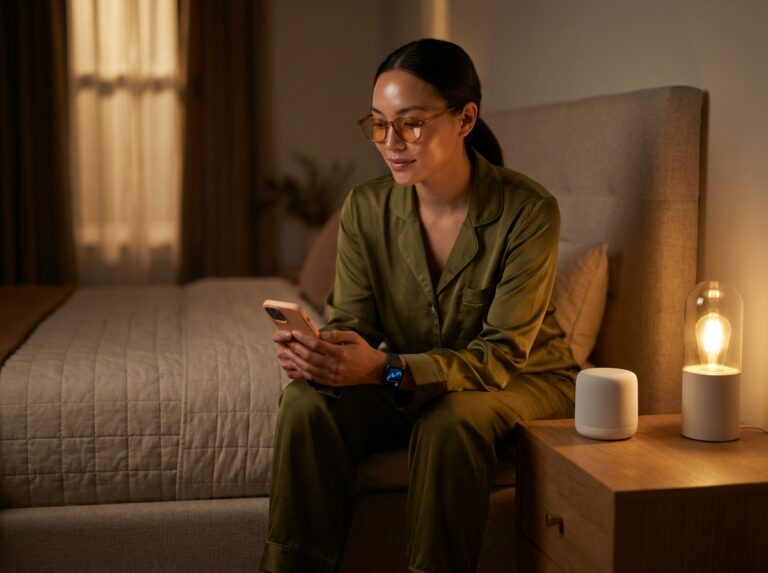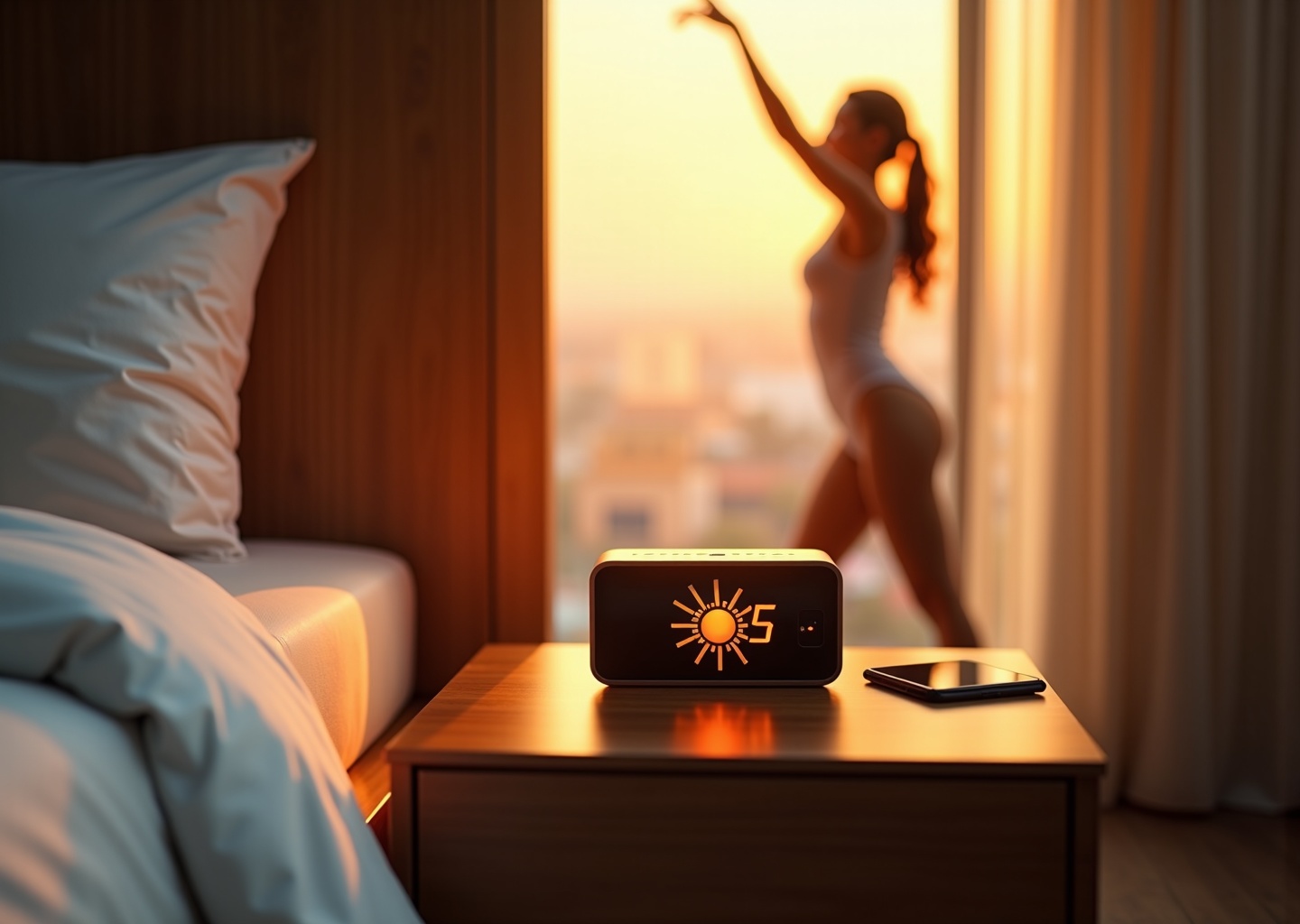
Sunrise alarm clocks mimic dawn with gradual light and gentle sound to align your circadian rhythm and make mornings easier. This guide explores how sunrise alarms work, what to look for in 2025 models, top device categories and real-world recommendations, plus tips for using them with sleep hygiene and smart home gear to improve sleep quality safely.
How sunrise alarm clocks affect sleep and wake cycles
Waking up to a blaring alarm in a dark room feels unnatural because, biologically, it is. Our bodies are designed to sync with the 24-hour cycle of the sun, a process governed by an internal master clock in our brain called the circadian rhythm. This internal clock regulates nearly everything, from hormone release and body temperature to when we feel sleepy or alert. The single most powerful cue for this clock is light. A sunrise alarm clock isn’t just a fancy lamp; it’s a tool that speaks directly to this ancient, light-driven biology to make waking up easier and more pleasant.
The magic lies in how light exposure, especially in the morning, resets our internal clock for the day. When your eyes detect light, even through closed eyelids, they send signals to your brain to halt the production of melatonin, the hormone that makes you feel sleepy. As melatonin levels fall, your body’s alerting systems, including the hormone cortisol, begin to rise. This is the body’s natural “on” switch. A traditional alarm clock rips you from sleep without this crucial hormonal transition, which is why you often feel groggy and disoriented, a state known as sleep inertia.
A sunrise alarm mimics the gradual, gentle process of a natural dawn. Over a period, typically 30 minutes, the light slowly shifts in both color and intensity. It starts with a soft, warm red or orange glow. This warm light is less disruptive to sleep but is still enough to signal the initial stages of the wake-up process. As the ramp-up continues, the light becomes brighter and shifts towards a cooler, whiter, or even blue-toned light. This is key. Light in the blue spectrum is particularly effective at suppressing melatonin and boosting alertness. This carefully managed progression allows your body to complete its sleep cycles and begin the waking process before you’re even consciously aware of it. By the time the light reaches its peak brightness, your body is already prepared to wake up, significantly reducing that groggy feeling.
Let’s talk about brightness, measured in lux. For context, a candle flame from a meter away is about 1 lux, while direct sunlight can be over 50,000 lux. You don’t need blinding light to get the benefits. Most effective sunrise alarms produce a peak brightness of around 250 to 300 lux at your bedside. This is more than enough to trigger the desired physiological response. It’s a gentle but firm signal to your brain that the day has begun. Research from sleep studies confirms that exposure to this level of morning light can improve mood, alertness, and even cognitive performance throughout the day. For more on the science, the Sleep Foundation provides excellent resources on how light-based alarms work.
While the light does the heavy lifting, many devices also incorporate sound. Unlike a jarring beep, these sounds are usually timed to begin only when the light has reached its full brightness. The light has already woken your body; the sound is simply a final cue to wake your mind. Think of it as the difference between being shaken awake in the dark versus someone gently opening the curtains and then softly calling your name. The combination of a gradual light ramp and a gentle sound provides a multi-sensory cue that makes the transition from sleep to wakefulness feel seamless and far less stressful.
Ultimately, the science is clear. Morning light exposure is a fundamental part of healthy sleep-wake regulation. Clinical light therapy has long been used to treat conditions like Seasonal Affective Disorder (SAD) and circadian rhythm disorders. A sunrise alarm clock takes these same principles and packages them into an accessible device for everyday use. It helps align your internal body clock with your desired wake-up time, making mornings less of a battle and helping you start the day feeling more refreshed and ready to go.
How to choose the right sunrise alarm clock for your needs
Choosing a sunrise alarm clock can feel like navigating a maze of features and technical specs. With so many options available, it’s easy to get lost. This checklist breaks down the essential criteria to help you find the perfect device for your needs, ensuring your investment leads to genuinely better mornings.
Peak Brightness (Lux)
The intensity of the light, measured in lux, is arguably the most critical factor. A dim light won’t be effective enough to gently rouse you from deep sleep. Look for a peak brightness of at least 250-300 lux for a noticeable physiological effect. This level is bright enough to signal your brain to reduce melatonin production. While most manufacturers don’t advertise exact lux values, premium brands like Lumie and Philips are known for their powerful illumination. If you have Seasonal Affective Disorder (SAD) or are a very deep sleeper, prioritizing a higher brightness level is essential.
Color Temperature and Quality
A truly effective sunrise simulation mimics nature. This means the light should transition smoothly from a deep, warm red through soft oranges and yellows to a bright, cool-toned white light. This gradual shift in color temperature is less jarring and more effective at preparing your body for wakefulness. Cheaper models often skip the red stage and jump from orange to a harsh white light, which can feel artificial. Devices like the Philips SmartSleep are often praised for their realistic and beautiful color gradients.
Adjustable Ramp Duration
The “ramp duration” is the time it takes for the light to reach its peak brightness. The standard is 30 minutes, but personalization is a huge plus. Some people wake easily and may prefer a quicker 15 or 20-minute sunrise. Deep sleepers might benefit from a longer, more gradual 45 or 60-minute ramp. Models like the Lumie Bodyclock Shine 300 offer excellent flexibility, with durations adjustable from 15 to 90 minutes, allowing you to fine-tune the experience to your sleep cycle.
Sound Options and Volume Control
While the light does most of the work, sound provides the final nudge. Look for a variety of high-quality, non-looping nature sounds like birdsong, ocean waves, or gentle chimes. Poor audio quality with tinny, repetitive sounds can be more irritating than a traditional alarm. Many clocks also include an FM radio. Smart alarms like the Hatch Restore 3 go a step further, offering a library of curated audio tracks through an app. Ensure the volume control is gradual, so you can set it to a gentle level that doesn’t jolt you awake.
App and Smart-Home Integration
In 2025, connectivity is a key differentiator. A companion app makes setting alarms, customizing light, and choosing sounds far easier than fiddling with buttons on the device itself. Smart-home integration with Amazon Alexa, Google Home, or Apple HomeKit adds another layer of convenience, allowing you to use voice commands or incorporate the alarm into your morning routines. This is a standard feature in smart devices like the Hatch series but less common in traditional models.
Physical Design and Display Dimming
Your sunrise alarm will be a permanent fixture on your nightstand, so its size and appearance matter. Consider the footprint and whether the design complements your bedroom decor. More importantly, check the clock display. A display that is too bright can interfere with your sleep by emitting light when your room should be dark. The best models offer complete display dimming or an auto-off feature that turns the display off entirely during the night.
Extra Features: Night Light and Battery Backup
Many sunrise clocks double as a bedside lamp or a gentle night light, often with adjustable warmth and brightness. This is a useful feature for reading before bed or for navigating your room in the dark. A battery backup is another practical consideration. While most clocks are mains-powered, a battery backup will save your alarm settings during a power outage, ensuring you still wake up on time.
Guidance for Specific Needs
Your personal circumstances can influence which features are most important.
- Shift Workers: You need maximum flexibility. Look for a device with multiple, easy-to-program alarms and a robust sunset simulation to help you wind down at unconventional times. App control is almost a necessity here.
- Light-Sensitive Users: Control is everything. You’ll want a clock that allows you to set a lower maximum brightness and has a very smooth, gradual ramp-up to avoid any jarring changes in light.
- Delayed Sleep Phase Syndrome: A powerful, bright light is your best tool for helping to shift your body clock. Prioritize a model with a high peak lux (300+) and use it consistently every morning.
- Seasonal Affective Disorder (SAD): While not a replacement for a dedicated therapy lamp (which often uses 10,000 lux for clinical treatment), a very bright sunrise alarm can help alleviate winter morning blues. Look for models from brands with a history in light therapy, such as Lumie, and choose their brightest options.
Dedicated Devices vs. Smart Bulbs
You don’t necessarily need a dedicated device to create a sunrise effect. Smart bulbs offer an alternative.
- Dedicated Sunrise Clocks: These are all-in-one solutions designed for one purpose. Pros: Optimized light diffusion, smooth color transitions, integrated clock and sounds, no extra hubs needed. Cons: Can be expensive, takes up space on the nightstand.
- Smart Bulbs (e.g., Philips Hue): You can program a “wake-up” routine through an app. Pros: More versatile for whole-room lighting, potentially cheaper if you already own smart home tech. Cons: The light source may not be ideally positioned next to your bed, requires a hub and a smart speaker for full functionality, and the light/color transitions may be less refined than a dedicated device. The Philips Hue Twilight lamp is a notable exception, blending the best of both worlds.
A Critical Note on Safety
You must consult your physician before using a sunrise alarm if you have any pre-existing medical conditions. For most people, the light is perfectly safe. However, for individuals with certain light-sensitive eye conditions, it could pose a risk. Furthermore, for people with bipolar disorder, specific light therapies can potentially trigger manic episodes. A medical professional is the only person qualified to give you advice based on your personal health history. Your safety should always be the top priority.
Top picks and device categories to consider in 2025
With a clear understanding of what makes a great sunrise alarm clock, it’s time to look at the best options available in 2025. We’ve grouped our top picks into categories to help you find the perfect device for your specific needs, whether you’re a light therapy purist, a smart home enthusiast, or just starting on a budget.
Best Overall Wake-Up Light
These devices are the best all-rounders, delivering an exceptional sunrise simulation that is both effective and realistic. They are for people who prioritize the quality of the light above all else.
-
Lumie Bodyclock Shine 300
The Shine 300 remains a top performer for its sheer lighting prowess. Its sunrise and sunset simulations are incredibly realistic, fading through deep reds and oranges to a bright, clear white. Strengths: Class-leading brightness, highly customizable sunrise duration (from 15 to 90 minutes), and a very natural color ramp. Possible drawbacks: The on-device interface can feel a bit dated and takes some getting used to. Some users have noted a minor flicker when the light is heavily dimmed. Best for: Anyone who wants the most powerful and authentic sunrise simulation and loves to fine-tune settings. Price range: Premium ($$$). 2025 Update: While its core design is unchanged, its light quality continues to set the industry standard. -
Philips SmartSleep Wake-Up Light HF3650
Philips has been a leader in this space for years, and the SmartSleep HF3650 shows why. It produces a beautiful and convincing sunrise that many find helps them wake up feeling more alert. For a detailed comparison of top models, check out this in-depth review. Strengths: Excellent light quality and color transition, noticeably better audio quality for sounds and FM radio than most competitors, and two separate alarm profiles. Possible drawbacks: The sunrise duration is adjustable, typically within a 20 to 40-minute range, offering less flexibility than the Lumie. Best for: Users who value high-quality audio alongside a great sunrise and couples who need separate wake-up times. Price range: Premium ($$$).
Best for Sleep Routines and Sound Therapy
These devices go beyond a simple alarm, integrating light with soundscapes, meditations, and guided exercises to help you build healthier sleep habits from dusk until dawn.
-
Hatch Restore 3
The Hatch Restore 3 is less of an alarm clock and more of a comprehensive bedside sleep guide. It combines a gentle sunrise alarm with a rich library of audio content, including white noise, soundscapes, and guided meditations for winding down. Strengths: A holistic approach to sleep hygiene, beautiful and modern design, and a highly intuitive app. Possible drawbacks: The full library of audio content requires an ongoing subscription, adding to the long-term cost. Best for: People who want to build a full evening and morning routine and are looking for an all-in-one sound machine and smart light. Price range: Premium ($$$), plus subscription. 2025 Update: The Restore 3 builds on the success of its predecessor with an expanded content library and more refined hardware.
Best for Minimalist Design
For those who believe a bedroom should be a sanctuary, these devices blend beautiful design with core functionality, ensuring your sleep tech doesn’t create visual clutter.
-
Casper Glow Light
The Glow is designed with simplicity and elegance in mind. It’s a portable, glowing orb that you control with simple gestures like flipping it over or twisting it. Strengths: Incredibly intuitive to use, warm and pleasant light quality, and a portable design that lets you carry it for a late-night trip to the kitchen. Possible drawbacks: Its sunrise simulation is much dimmer and less sophisticated than dedicated models from Lumie or Philips. It’s more of a gentle nudge than a full-force sunrise. Best for: Design-lovers who want a beautiful object that doubles as a night light and a very gentle wake-up light. Price range: Mid-to-High ($$). -
Loftie Clock
Loftie’s primary mission is to get your smartphone out of the bedroom. It’s a thoughtful alarm clock that focuses on high-quality audio content, including a unique two-phase alarm that gently wakes you before the main alarm sounds. Strengths: Stunning minimalist design, curated library of non-stressful sounds, meditations, and stories. The screen provides a very gentle night light. Possible drawbacks: The light is not a true sunrise simulator; it’s a secondary feature. Best for: Individuals focused on digital detoxing who prioritize calming audio and aesthetics over a powerful light-based alarm. Price range: Premium ($$$).
Best for Smart-Home Integration
If you want your wake-up routine to sync with your connected home, these solutions offer the best integration with platforms like Alexa, Google Home, and Apple HomeKit.
-
Philips Hue Twilight
Newer to the scene, the Twilight is a dedicated bedside lamp from the masters of smart lighting. It’s designed specifically for sleep routines, with unique optics that produce a rich, colorful sunrise and sunset. Strengths: Flawless integration with the Philips Hue ecosystem, superb color science and smooth transitions, and can be controlled via app, voice, or on-device buttons. Possible drawbacks: It’s a premium-priced device that delivers the most value if you’re already invested in the Hue ecosystem. Best for: Smart home enthusiasts, especially existing Hue users, who want a dedicated and high-performance sleep light. Price range: Premium ($$$).
Best Budget Sunrise Solution
Want to see if a wake-up light works for you without the hefty investment? These budget-friendly models deliver the core experience at an accessible price point.
-
JALL Wake Up Light
This model has become a popular entry-level choice for a reason. It provides a functional sunrise simulation that is surprisingly effective for its price. Strengths: Very affordable, gets bright enough for most users, and is simple to operate. Possible drawbacks: The color transition from red to white can be abrupt and less natural than on premium models. The audio quality is basic. Best for: First-time users and anyone on a strict budget. Price range: Budget ($).
Alternative Approaches
For the DIY-inclined, you don’t necessarily need a dedicated device. You can create your own sunrise simulation using standard smart home tech.
-
Smart Bulbs and a Smart Speaker
Pairing a color-capable smart bulb (like Philips Hue, Wyze, or LIFX) with a smart speaker (like an Amazon Echo or Google Nest) allows you to build a custom routine. You can program the bulb to slowly fade on over 30 minutes while your speaker gradually plays a calming sound or your favorite morning playlist. Strengths: Infinitely customizable, can be integrated into whole-room lighting scenes, and may be cheaper if you already own some of the hardware. Possible drawbacks: Requires more technical setup, and the light quality is dependent on the bulb and lamp fixture you use, which may not be optimized for a smooth, wide dispersal of light.
To find your match, prioritize the category that aligns with your primary goal: Best Overall for light quality and realism; Best for Sleep Routines for an all-in-one guide with sound and meditation; Minimalist Design for aesthetics and simplicity; Smart-Home Integration for a connected home; Best Budget for an affordable entry point; and Alternative Approaches for DIY flexibility.
How to set up and use a sunrise alarm clock for best results
So you’ve unboxed your new sunrise alarm clock, a promising piece of tech designed to make your mornings better. But just plugging it in and setting a time won’t unlock its full potential. The real magic happens when you customize its settings to fit your unique sleep patterns and bedroom environment. Think of it less like a simple alarm and more like a personalized sunrise you can program. Getting the setup right from the start is the key to transforming your wake-up experience from a jarring daily event into a gentle, natural process.
First, let’s talk about placement. Where you put your clock matters immensely. The ideal spot is on your nightstand, about one and a half to three feet away from your head and roughly level with your pillow. The light needs to be close enough to effectively simulate a dawn breaking across your field of vision, even through closed eyelids. You want the light to wash over your face, not shine directly into your eyes like a spotlight. If it’s too far away or positioned too low, the effect will be diluted, and your brain won’t get the powerful signal it needs to begin the waking process.
With the clock in place, it’s time to dial in your personal sunrise. The two most important settings are the duration of the light ramp-up and its maximum brightness. Most people find a 30-minute duration to be the sweet spot. This gives your body ample time to gradually shift from a state of sleep to wakefulness. If you’re a particularly deep sleeper, you might want to start with a shorter, more intense 20-minute ramp. Conversely, if you’re sensitive to light, a longer, gentler 45 or 60-minute cycle might feel more natural. For brightness, aim for a peak intensity that comfortably illuminates your entire room, similar to how morning light would filter through a window. Start around 75% of the maximum setting and adjust up or down over a few days until it feels right. The goal is bright, but not blinding.
The best sunrise alarms mimic nature by transitioning from deep, warm reds and oranges to a bright, cool-toned white light. This color progression is crucial. The initial red hues are less disruptive to sleep and gently signal your body to begin waking. The final burst of bright, blue-spectrum light is what tells your brain to halt melatonin production and start producing cortisol, the hormone that helps you feel alert and ready for the day. While many devices automate this color shift, if yours allows for customization, stick to this natural sequence for the best biological response.
Sound should be your backup plan, not the main event. The light is designed to do the heavy lifting, waking you so gently that you might be stirring even before the audio kicks in. Pair your sunrise with a calming, natural sound like birdsong, ocean waves, or soft chimes. Set the volume to start low and gradually increase, beginning only in the last one or two minutes of the light cycle. This ensures the sound serves as a final, gentle nudge to get out of bed rather than a sudden, stress-inducing blast. Some people even prefer to have no sound at all, relying entirely on the light.
To truly benefit from a sunrise alarm, integrate it into a consistent sleep routine. Your body thrives on predictability. Try to go to bed and wake up around the same time every day, even on weekends. This stabilizes your circadian rhythm, making it easier to fall asleep at night and wake up refreshed. Many clocks also feature a sunset simulation. Using this feature can be a powerful part of your wind-down routine. The fading light signals to your brain that it’s time to produce melatonin, helping you fall asleep more naturally and creating a perfect bookend to your light-managed day. For weekends, you can set a slightly later alarm time but keep the sunrise simulation to avoid the groggy feeling of “social jetlag.”
Even with the perfect setup, you might run into a few issues. If the light doesn’t seem to be waking you, first check your room for other light sources. Streetlights creeping through blinds can reduce the effectiveness of the simulated dawn. Consider blackout curtains. You could also try increasing the maximum brightness or shortening the ramp-up duration for a more noticeable change. If you share a bed, place the clock on the side of the person who wakes up first and angle it toward them. Waking up a few minutes earlier from a gentle, indirect light is far less disruptive for a partner than a blaring audio alarm. And to avoid sleep disruption, make sure the clock’s digital display is set to its dimmest setting or turned off completely during the night.
Here are a few sample settings to get you started:
- For the Heavy Sleeper
Set a short 20-minute sunrise duration that ramps up quickly to 100% brightness. Pair it with an energetic sound like upbeat birdsong that starts at a moderate volume two minutes before your final wake-up time. - For the Early Commuter
Use a standard 30-minute ramp-up to 90% brightness. To help get your brain moving, set the audio to a low-volume FM news or music station that fades in at the peak brightness. - For Someone with Seasonal Mood Changes
A longer 45-minute sunrise duration reaching 100% brightness can help compensate for dark winter mornings. The extended light exposure is key. Pair it with a simple, pleasant chime as a backup. - For Waking a Child Gently
Program a shorter 15-minute sunrise, using warmer yellow tones instead of a harsh white light at the end. Keep the maximum brightness lower, around 60-70%, and use a very soft, optional sound like a gentle melody.
Final takeaways and recommendations
After reviewing the top models of 2025, it’s clear that a sunrise alarm clock is more than just a gadget. It’s a tool that works with your body’s natural rhythms to ease you into the day, helping to reduce that groggy feeling known as sleep inertia. The best devices accomplish this with a gradual, color-accurate sunrise simulation that gently suppresses melatonin and signals your brain it’s time to wake up.
When choosing your own, focus on what matters most to you. Key criteria include the quality of the light, its maximum brightness, and the sound options that will actually help you feel calm, not startled. Our tests showed a clear divide between device categories. Traditional models like the Lumie Bodyclock Shine 300 and Philips SmartSleep excel at creating the most realistic light. Smart devices like the Hatch Restore 3 offer a complete sleep ecosystem with soundscapes and app control. For those on a budget, options like the JALL Wake Up Light provide a solid entry point into the world of light-based alarms.
Ready to make a change? Here’s a simple plan to get started:
- Assess your needs. First, decide what you prioritize. Is it a powerful, realistic sunrise, or are smart features and soundscapes more important? Set a realistic budget.
- Pick a category. Based on your answer, choose a traditional, smart, or budget model. You can find more detailed comparisons in guides from trusted sources like Sleep Foundation.
- Give it a two-week trial. It takes time for your body to adjust to a new wake-up routine. Experiment with the sunrise duration and brightness settings to find your personal sweet spot.
A quick note on safety is important. If you have a history of bipolar disorder, epilepsy, or other light-sensitive medical conditions, please consult your doctor before introducing a wake-up light to your routine. Finally, remember that even the best alarm clock works better when paired with good sleep hygiene. A consistent bedtime and a relaxing wind-down routine are still your most powerful allies for waking up refreshed.
Sources
- The Best Sunrise Alarm Clocks: I Compare 5 – No Sleepless Nights — The Philips SmartSleep is currently my top pick because the sunset and sunrise effect are beautiful and realistic, and it has noticeably better audio quality …
- Best Sunrise Alarm Clocks of 2025: The Scientific List! — Best Overall: Lumie Bodyclock Shine 300 · Runner-up: Philips SmartSleep HF3650 · Best Budget: JALL Wake Up Light · Best Smart: Hatch Restore 2/3.
- Best Sunrise Alarm Clock of 2025 – Sleep Foundation — Sunrise alarm clocks give sleepers a great alternative to noisy alarms. We discuss the best sunrise alarm clocks to help you find one that …
- The Best Sunrise Alarm Clocks For A Gentle Wake Up☀️ – YouTube — In this review, I compare five sunrise alarm clocks from Philips, Lumie, Dreamegg, and Reacher. I bought all five and have used them on many …
Legal Disclaimers & Brand Notices
Medical Disclaimer
The content provided in this article is for informational purposes only and is not intended to be a substitute for professional medical advice, diagnosis, or treatment. Always seek the advice of a qualified healthcare provider with any questions you may have regarding a medical condition, the use of light therapy, or before making changes to your sleep routine, especially if you have pre-existing conditions such as Seasonal Affective Disorder (SAD), bipolar disorder, epilepsy, or light-sensitive eye conditions. Never disregard professional medical advice or delay seeking it because of something you have read in this publication.
Trademark Acknowledgement
All product names, logos, and brands mentioned in this article, including but not limited to Philips, Lumie, Hatch, Casper, Loftie, JALL, Wyze, and LIFX, are trademarks or registered trademarks of their respective owners. The use of these names, trademarks, and brands is for identification and informational purposes only and does not imply endorsement or affiliation.